The project at a glance
A game world and web platform working as one system
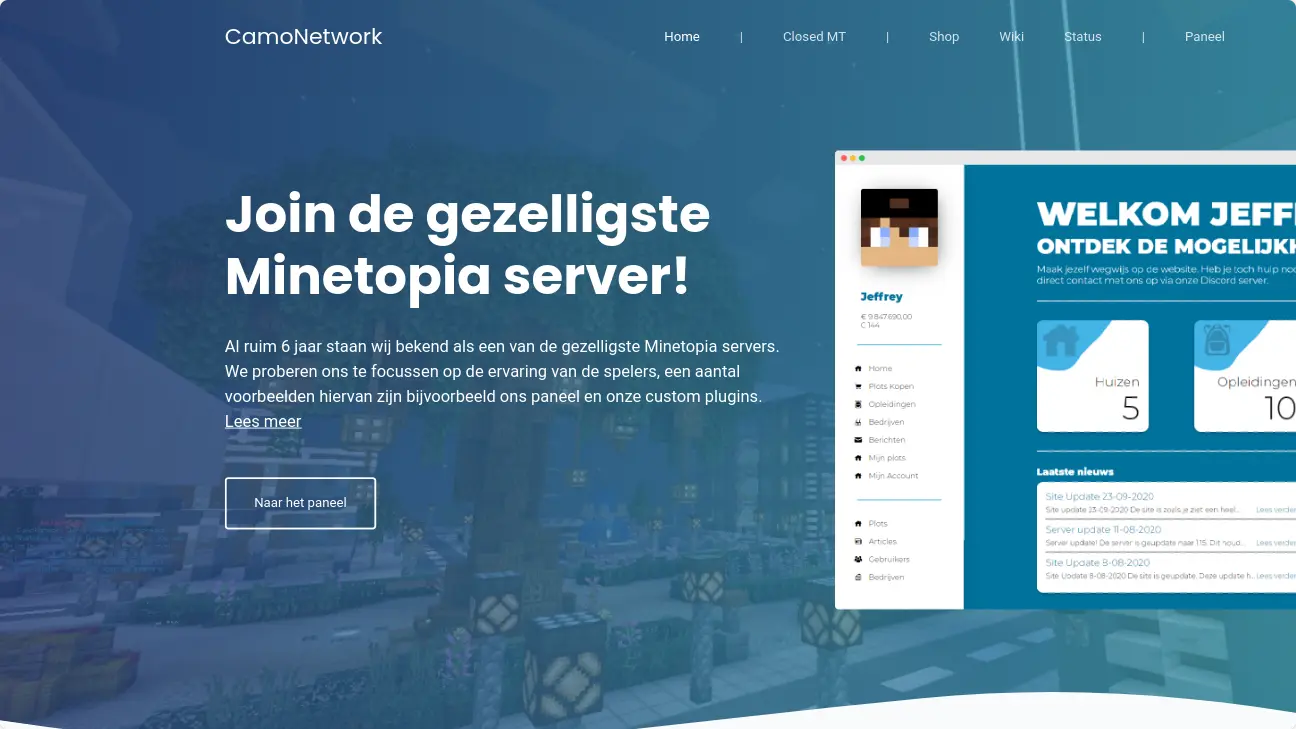
CamoNetwork needed more than a website or a standalone plugin. We connected Java game servers with a Laravel web environment, bringing together game data and workflows for players and administrators.
- Our role
- 8 years of Java and Laravel development
- The challenge
- Connect game processes with web functionality
- What we delivered
- Custom plugins, web panels and shared data flows
How the solution fits together
- Game actions in JavaCustom plugins support systems including the economy, housing and businesses.
- Exchange informationREST, WebSockets and shared MySQL data connect the components.
- Work through the webLaravel panels expose related information and management functions.
A schematic explanation of the approach described; not a live system view.
Where we went beyond implementation
- Consider the experience outside the game
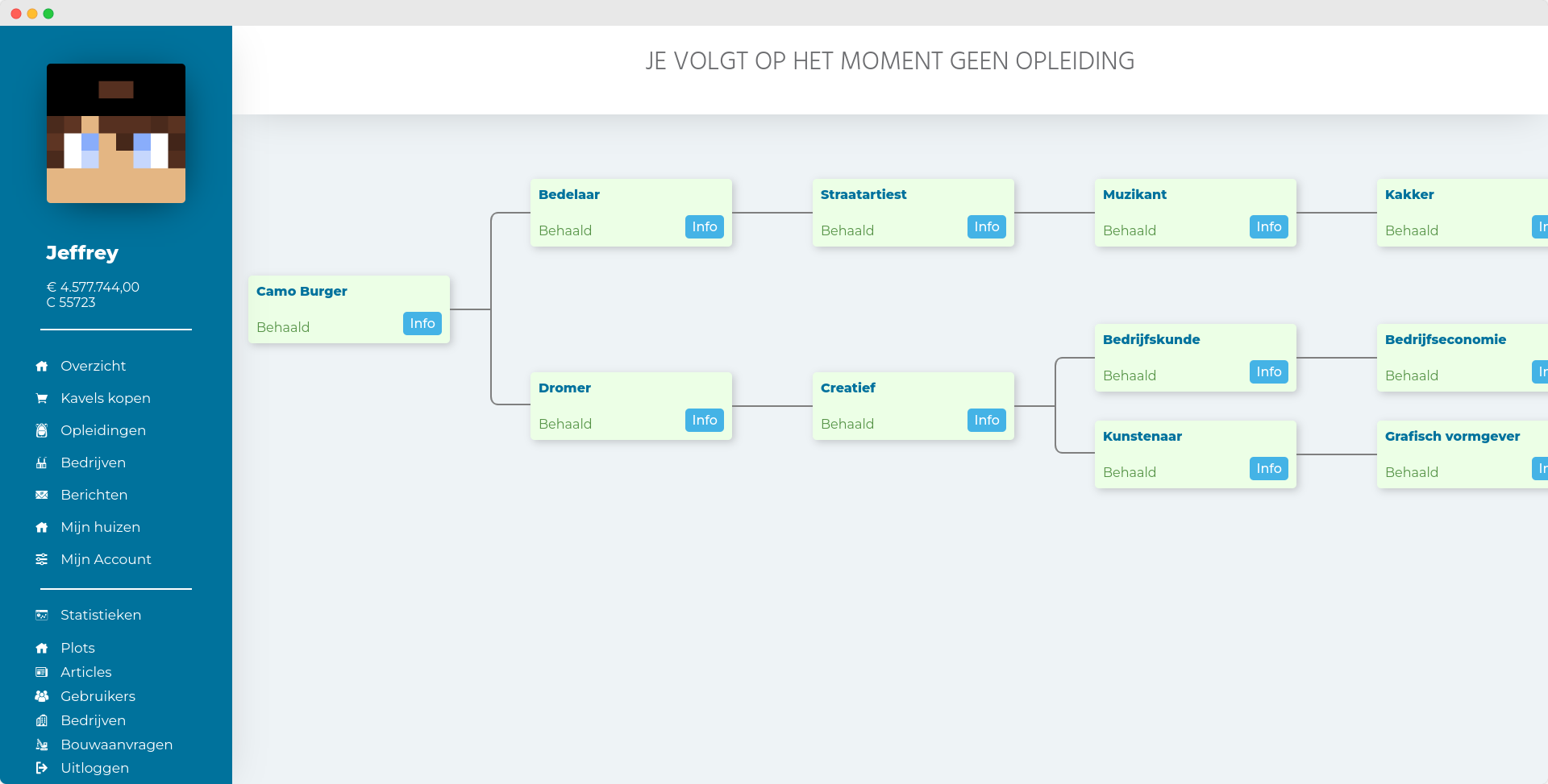
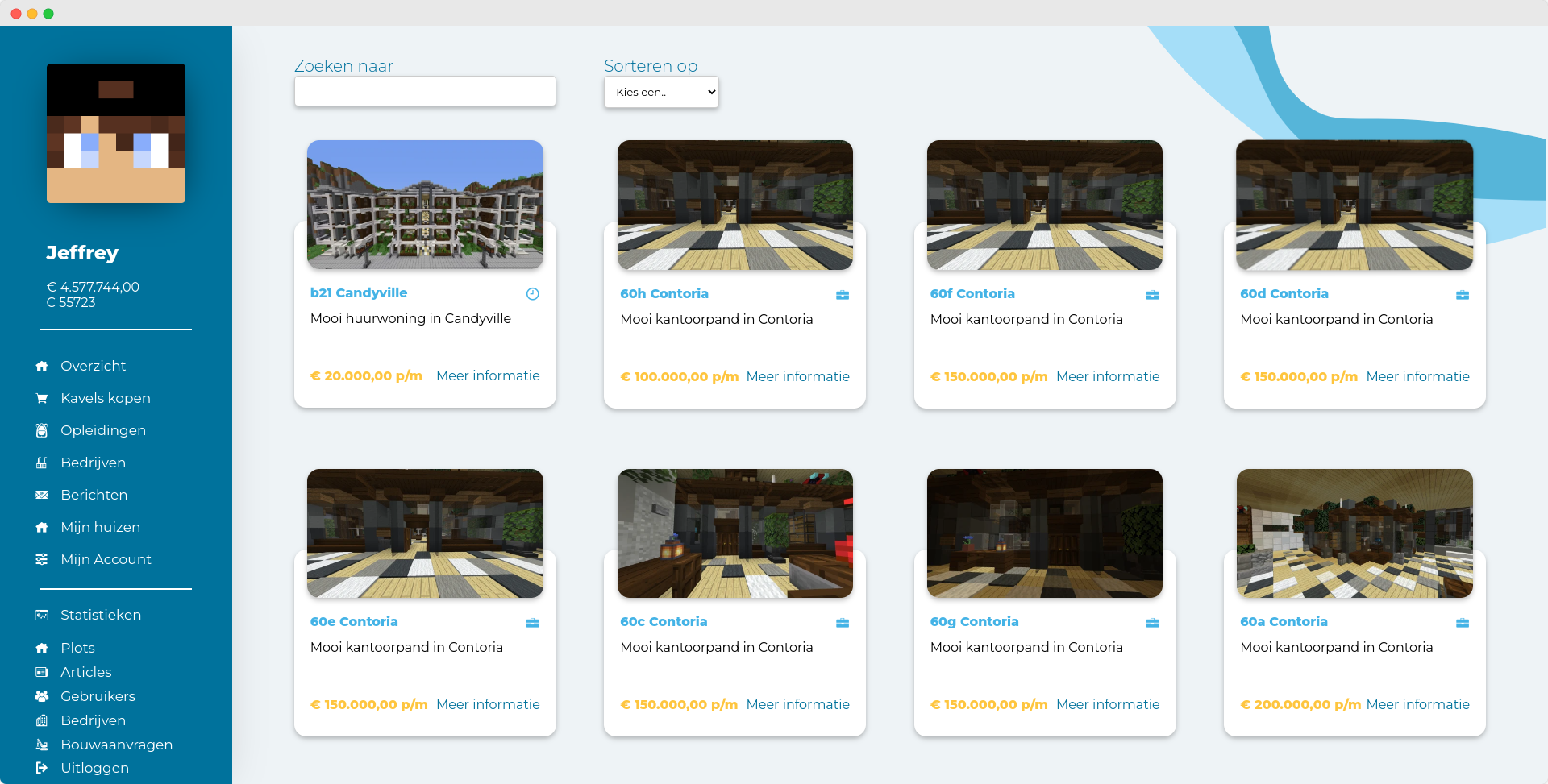
- We looked beyond game-server features. The web panel gave players access to education, housing and businesses outside the game itself, extending the experience across several components.
- Design connections instead of isolated tools
- Java plugins and Laravel web features were connected through REST, WebSockets and shared data. An action in the web panel could affect the game world, rather than creating two disconnected experiences.
- Include the management side
- Alongside the main site, the ecosystem included status monitoring, applications and community management. This broader view connected the visible player experience with the work needed to support the community.
The duration and results below refer to the engagement described.
Project overview
CamoNetwork developed over eight years from a hobby project into a Minecraft community with an integrated Laravel web panel. The original case study records more than 2,500 registered players and over 300 players per week.
A Java–Laravel architecture
The technical challenge was connecting a Java-based Minecraft server with a Laravel application. REST APIs, WebSockets and a shared MySQL database allowed the game and website to exchange information.
REST APIs handled structured requests between the systems. WebSockets supported real-time updates, while the shared database provided consistent information across the game and web interface. Synchronisation needed to remain reliable without adding unnecessary load to the server.
An integrated web panel
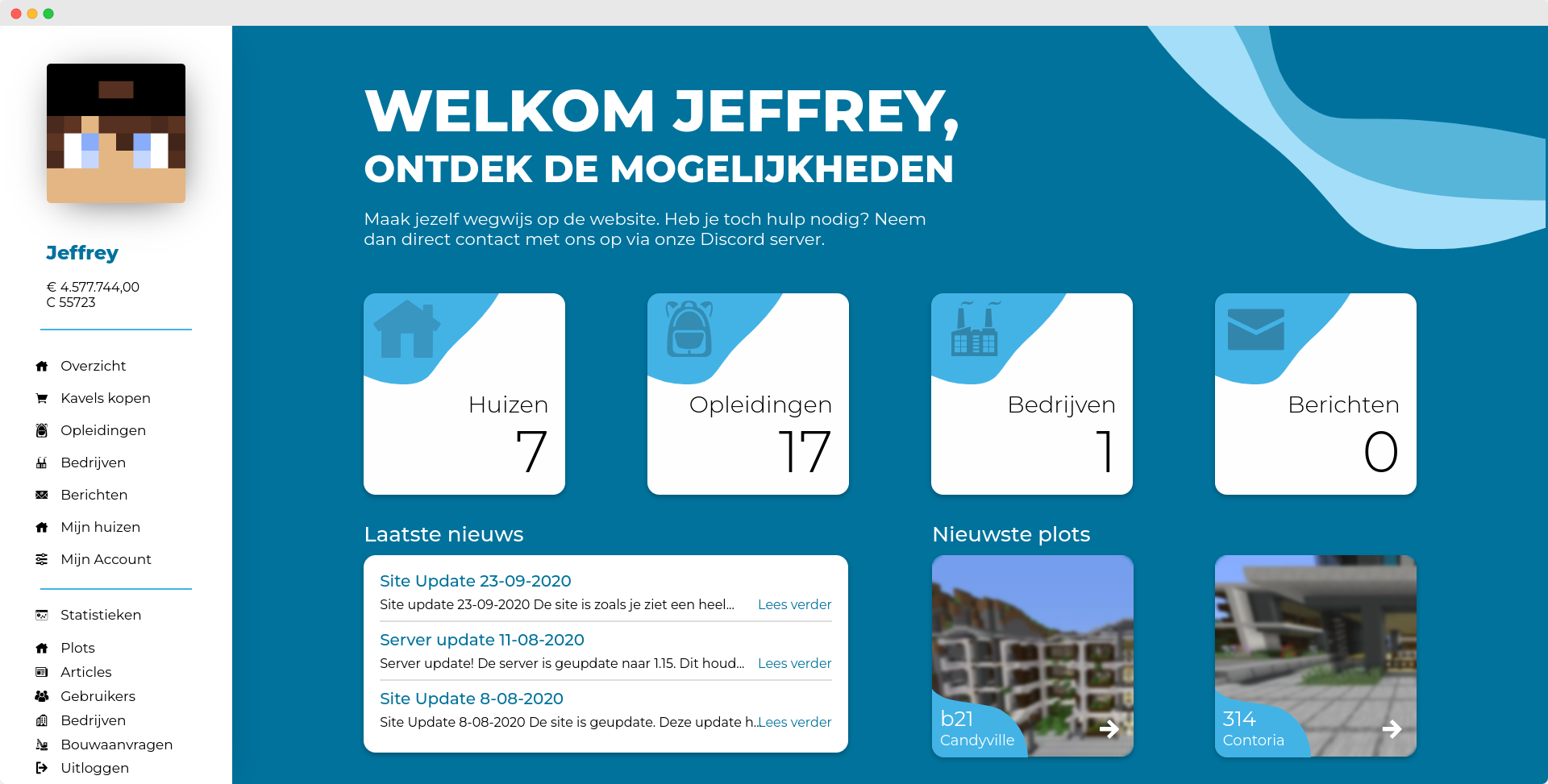
The web panel extended the gaming experience beyond Minecraft itself. Players could manage aspects of their virtual lives through a browser, using a custom interface connected to the game.
This required more than a conventional community website. Actions taken in the panel had to be reflected in the game, and relevant in-game information needed to be available on the website.
Gameplay and economic systems
The platform included systems for a virtual economy, giving players ways to manage their activities beyond the standard Minecraft interface. The original project account describes functions including management of virtual possessions and economic interactions.
A virtual tax system calculated taxes based on players' assets and income. User-generated content features subsequently allowed players to create and share content within the ecosystem.
Performance and scalability
With more than 300 weekly players and over 2,500 registered users in the original account, performance required ongoing attention. Standard plugins did not always suit the workload, so custom plugin development addressed specific bottlenecks.
The work included database query optimisation, memory management for Java processes and caching for the Laravel application. These changes helped the web platform handle frequent requests while limiting their impact on the game server.
A multi-domain ecosystem
The project grew into several websites supporting different aspects of the community. Alongside the main sites, dedicated services covered status monitoring, applications and community management.
Mobile optimisation allowed players to use the platform away from their gaming setup. The original account recorded mobile visitors at 16.4%.
Community impact and development
The web panel demonstrated how a gaming community could extend beyond a traditional game client. Browser-based interfaces gave players additional ways to interact with the platform.
Development continued to focus on giving users more control over their experience. The original account recorded growth of 5.6% during the measured period.
CamoNetwork websites
Panel screenshots
Should your applications work together as one product?
We bring user actions, data flows and management needs into a single technical design, then develop the components around the people who use them.
Discuss your project ↗